PN—INSIDER started with a simple idea: you don’t know what you don’t know. Busy performance nutrition practitioners needed a weekly place to discover useful research, industry news and good work from their peers.
In the video above, I walk through the whole project—from that idea to the signup page, welcome email, weekly production workflow and audience growth. Here are the main pieces.
Move from rented attention to a direct relationship
Social platforms decide who sees your posts. An email list gives you a more direct way to reach people, and lets new subscribers receive useful content in an order you choose. The point isn’t collecting addresses for its own sake. It’s earning a place in someone’s inbox by being consistently useful.
A little more, by email.
Personal notes on science, AI and the things I’m making. Straight from me to your inbox.
Make the signup journey easy to understand
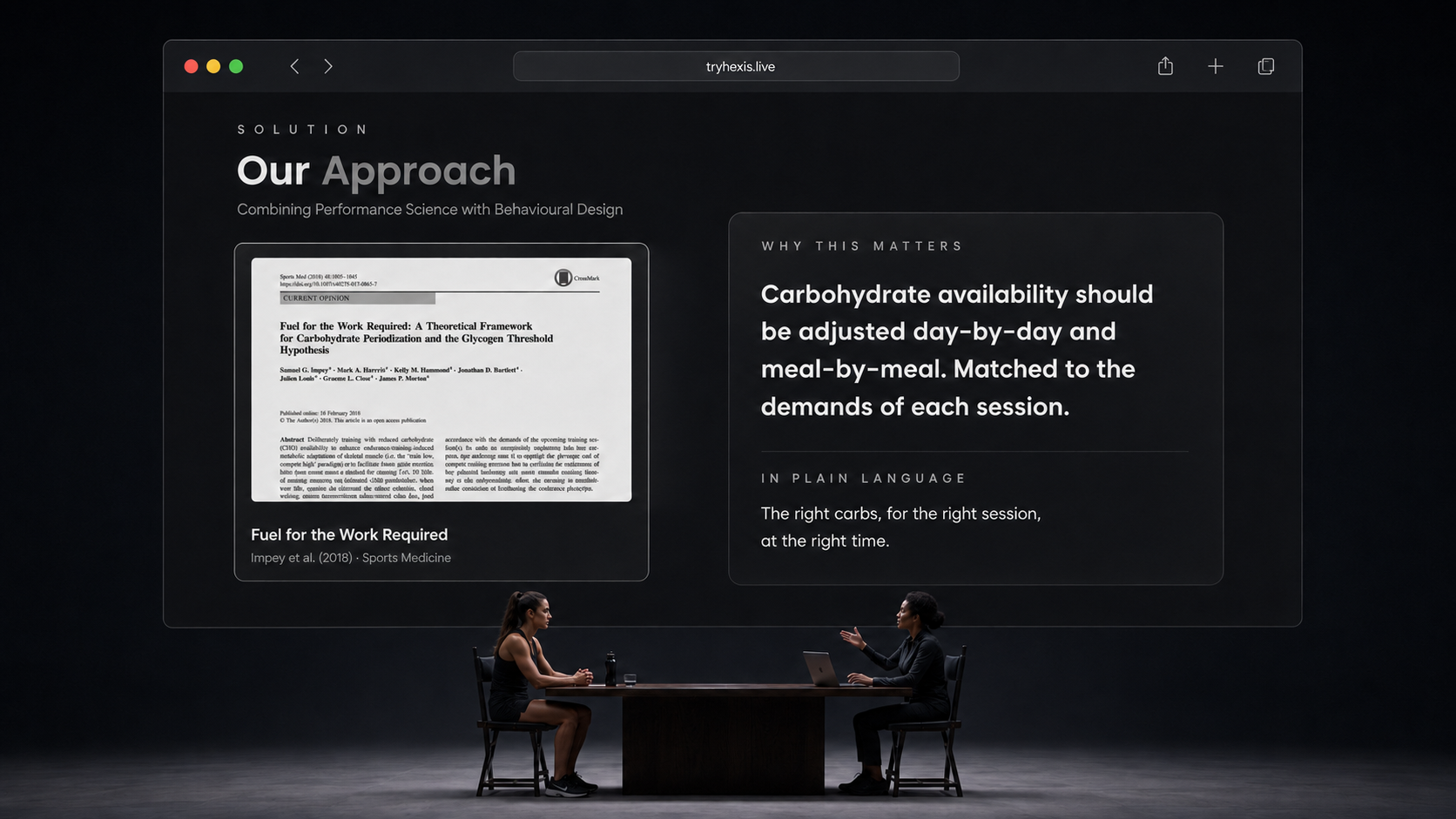
Start with one specific reader and what they want to achieve. The landing page needs a clear benefit, a simple email field, an obvious call to action and a preview of what they’ll receive.
Then test what happens next. I explain why we used double opt-in, how confirmation emails getting lost created friction, and why the welcome email invited people to reply with a simple hello. Those replies started real conversations—not just another metric to track.
Give every issue a familiar shape
PN—INSIDER had a repeatable structure: expert opinion, latest news and performance technology. Readers knew what they would find each Monday. I also walk through why I chose Beehiiv and how I used its editor and subscriber tools.
Use AI for the legwork, not the judgement
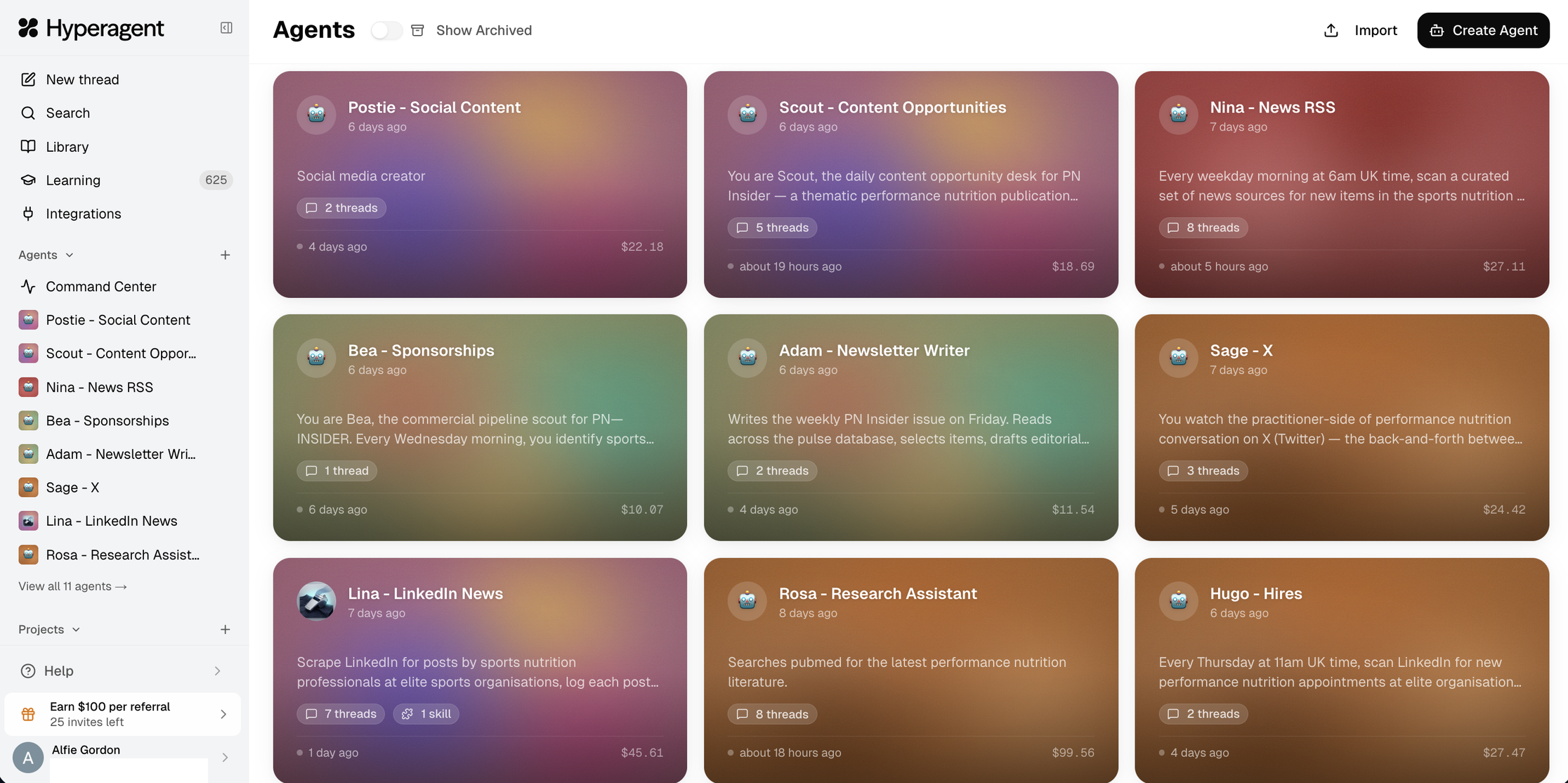
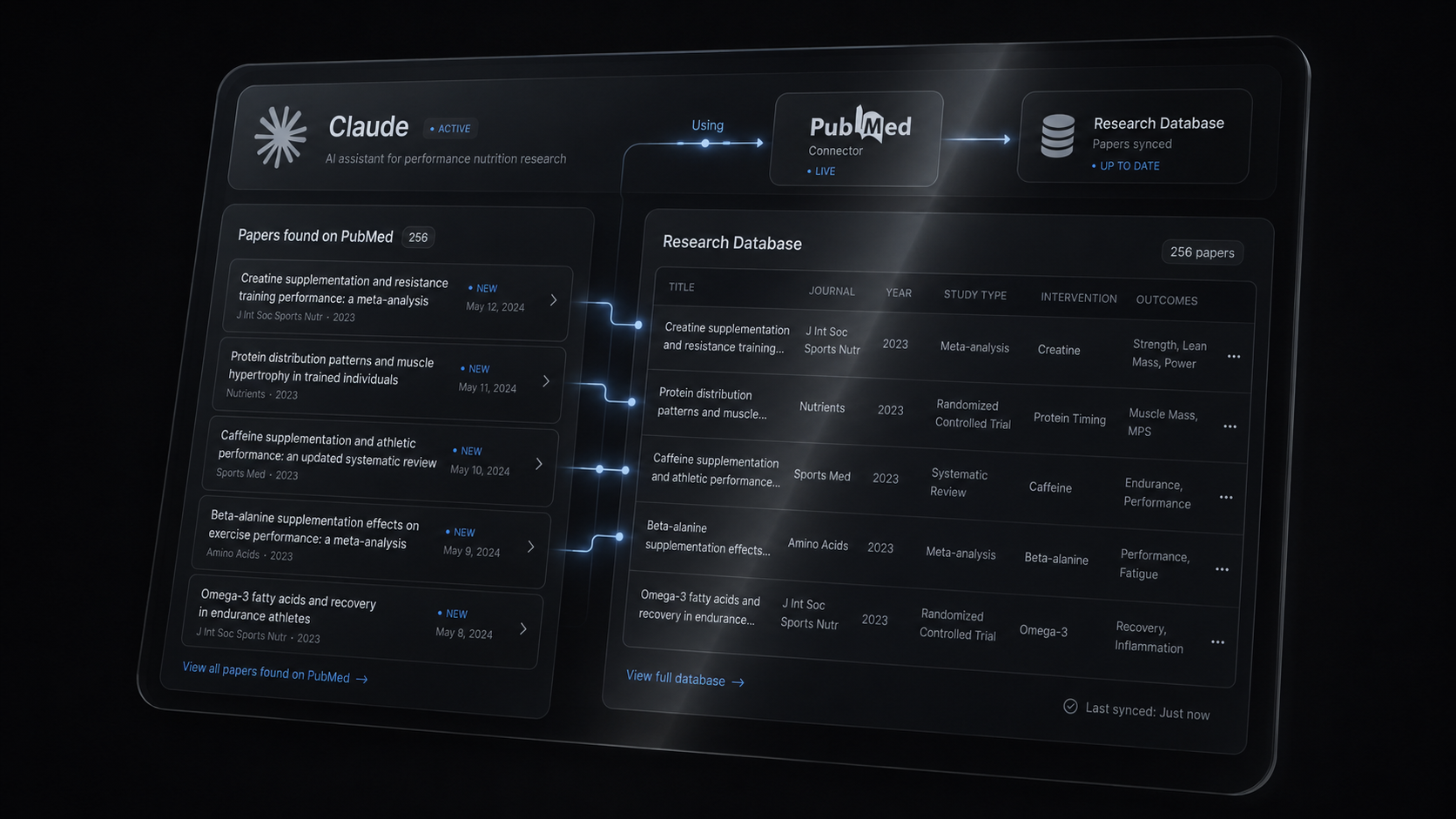
The research and writing process started manually. Over time, I used automated feeds, web scraping and scheduled AI tasks to gather material and prepare drafts. Past issues, audience context and writing examples helped make that work reusable.
But selecting what belongs, checking claims and avoiding overstated research findings stayed with me. This is cognitive offload, not cognitive surrender: let the tools carry the repetitive work without handing over responsibility for the result.
A little more, by email.
Personal notes on science, AI and the things I’m making. Straight from me to your inbox.
Grow through good work—and learn what’s sustainable
Instagram collaborations helped spotlight practitioners and reach their audiences. I later focused on LinkedIn because text-based newsletter content was easier to repurpose there. Feedback before launch, subject-line experiments and engagement data helped improve the publication.
I also talk honestly about the other side: the project built valuable relationships and a body of work, but it didn’t make a profit. Time and work commitments ultimately led me to step away.
Watch the full walkthrough
The video is where you can see the actual pages, emails and examples behind these decisions. If you’re building a specialist newsletter—or improving how your business communicates by email—watch the full 35-minute walkthrough on YouTube.
You can also browse the welcome-email swipe file and sign up to receive the structured PN—INSIDER archive when it’s ready.
A little more, by email.
Personal notes on science, AI and the things I’m making. Straight from me to your inbox.